Modern Trends in Clock Design: Embracing Neumorphism and Material Design
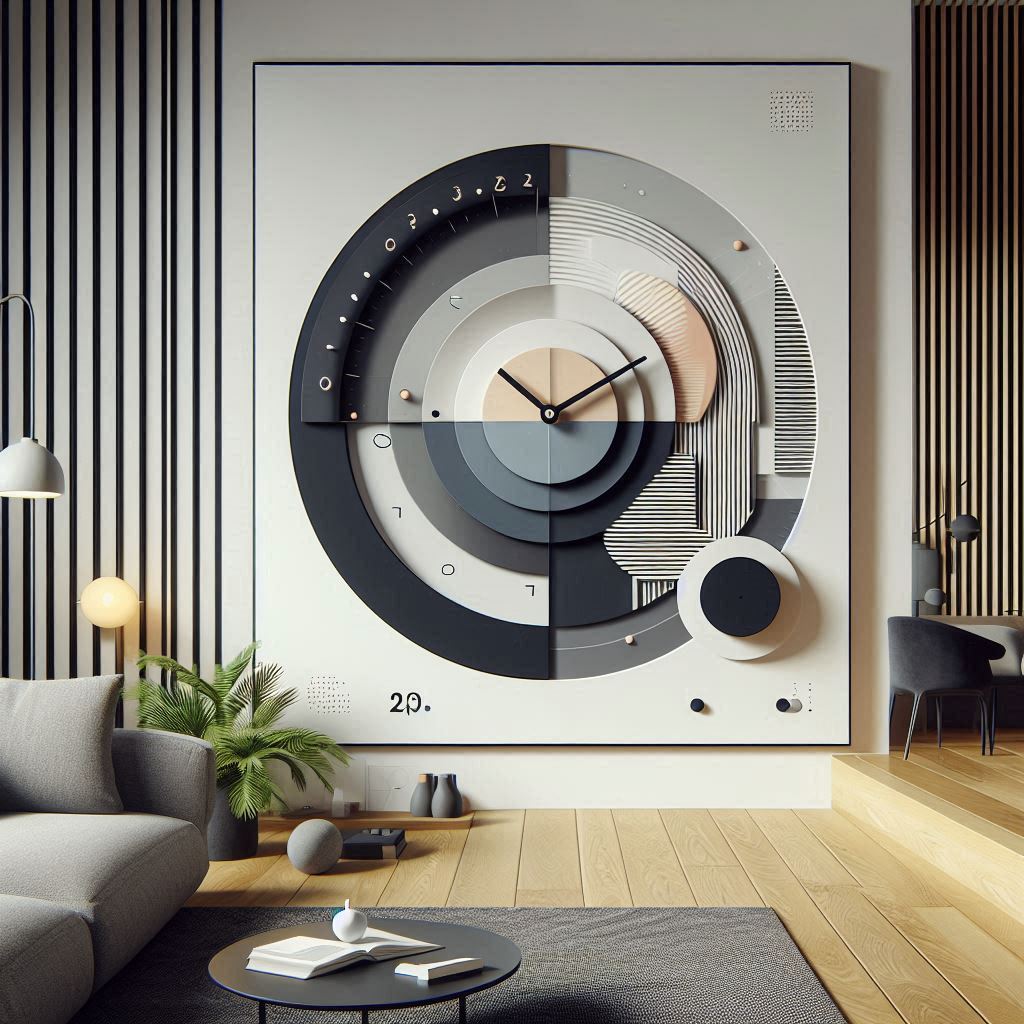
Clock design, once a field constrained by tradition, is undergoing a renaissance. The rise of digital displays, smart devices, and the constant human interaction with visual interfaces have propelled clock aesthetics into exciting new territories. No longer are we simply focused on telling time; we now seek clocks that are beautiful, functional, and integrated seamlessly into our modern lives. This evolution has given rise to design trends like Neumorphism and Material Design, which are fundamentally reshaping the way we perceive and interact with time.
The Timeless Appeal of Clocks: More Than Just Telling Time
From the earliest sundials to the intricate grandfather clocks of the Victorian era, clocks have always been more than just time-telling devices. They are symbols of status, artistry, and technological innovation. In a world increasingly governed by digital time displays on smartphones and computers, the enduring appeal of a dedicated clock might seem surprising. Yet, clocks persevere because they offer something those other devices often lack: a sense of permanence, a tangible connection to the present moment, and a decorative element that contributes to the overall aesthetic of a space.
Consider the impact of a well-designed clock in a living room. It serves as a focal point, adding character and visual interest to the environment. A beautifully crafted clock face can elevate the ambiance of a room, creating a sense of sophistication or, conversely, a relaxed, casual atmosphere.
The Rise of Digital Clock Faces and the Demand for Design Innovation
The ubiquity of digital displays has democratized clock design. No longer constrained by the limitations of mechanical movements or physical hands, designers now have the freedom to experiment with a vast array of visual styles and interactive features. This freedom, however, has also created a demand for more innovative and visually appealing clock faces.
People expect more from their clocks than just accurate timekeeping. They seek a digital experience that is both informative and aesthetically pleasing. This expectation has driven the adoption of design trends like Neumorphism and Material Design, which offer a fresh and modern approach to clock visuals.
Delving into Neumorphism: Soft Shadows and Tactile Illusions
Neumorphism, a portmanteau of "new" and "skeuomorphism," represents a fascinating evolution in interface design. Skeuomorphism, the design philosophy of mimicking real-world objects in digital interfaces (think the trash can icon on early computers), had its heyday but eventually gave way to flatter, more abstract designs. Neumorphism attempts to bridge the gap, retaining a sense of realism while embracing the clean aesthetics of modern design.
The core characteristics of Neumorphism are:
- Soft, Subtle Shadows: Instead of the harsh, defined shadows of traditional UI elements, Neumorphic designs utilize soft, diffused shadows that create the illusion of depth and protrusion from the background. This technique makes the clock elements appear as if they are gently pressed into or raised from the screen.
- Monochromatic Color Palettes: Neumorphism often employs a monochromatic color palette, where variations of a single color are used to create visual contrast and hierarchy. This simplicity contributes to the clean and elegant aesthetic of the design.
- Inset and Outset Effects: The combination of soft shadows and carefully chosen color variations allows for the creation of both inset (recessed) and outset (protruding) effects. This provides a sense of dimensionality to the clock face, making it feel almost tangible.
Applying Neumorphism to Clock Design
The principles of Neumorphism lend themselves beautifully to clock design. Imagine a digital clock face where the numbers appear to be gently embossed on the screen, with soft shadows creating a subtle sense of depth. The clock hands might seem to float slightly above the surface, casting delicate shadows that move with the passage of time.
The benefits of using Neumorphism in clock design include:
- Visual Elegance: The soft shadows and monochromatic color palettes create a sense of understated elegance, making the clock a visually appealing addition to any environment.
- Enhanced Readability: The subtle depth cues can improve the readability of the clock face, making it easier to quickly glance at the time.
- Modern and Contemporary Look: Neumorphism is a relatively new design trend, so its use can give a clock a distinctly modern and contemporary look.
Material Design: Layers, Depth, and Purposeful Animation
Material Design, developed by Google, is a design language that emphasizes the use of grid-based layouts, responsive animations, and transitions, padding, and depth effects such as lighting and shadows. Unlike Neumorphism's subtle realism, Material Design is more about creating a clear visual hierarchy and providing users with a sense of control and understanding.
Key elements of Material Design include:
- Layers and Depth: Material Design uses the concept of layers to create a sense of depth and visual hierarchy. Elements are stacked on top of each other, with shadows and elevation used to indicate their relative importance.
- Bold Colors and Typography: Material Design embraces bold, vibrant colors and clear, legible typography to ensure that information is easily accessible and visually engaging.
- Meaningful Animations: Animations are used purposefully to guide the user's attention, provide feedback on interactions, and create a sense of fluidity and responsiveness.
Material Design's Impact on Digital Clocks
Material Design principles can significantly enhance the user experience of a digital clock. Consider the following examples:
- Stacked Information Panels: A Material Design clock might use stacked panels to display different types of information, such as the time, date, weather, and upcoming appointments. The use of shadows and elevation would help to distinguish between the panels and guide the user's eye.
- Animated Transitions: When switching between different time zones or settings, Material Design animations can provide a smooth and intuitive transition, making the interaction feel more natural and responsive.
- Interactive Elements: Material Design encourages the use of interactive elements, such as buttons and sliders, to allow users to customize the clock's settings and appearance. These elements are designed to be visually clear and easy to use, even on a small screen.
Beyond the Trends: The Importance of Customization
While Neumorphism and Material Design are powerful design trends, it's crucial to remember that customization is key to creating a truly satisfying clock experience. Users want to be able to personalize their clocks to reflect their individual tastes and preferences.
This is where the concept of clock faces becomes paramount. A well-designed clock app should offer a wide variety of clock faces, ranging from classic analog designs to modern digital displays. Users should be able to choose the clock face that best suits their style and needs.
Furthermore, customization options should extend beyond just the clock face. Users should be able to adjust the colors, fonts, and other visual elements to create a clock that is truly unique. This level of personalization allows users to create a clock that seamlessly integrates into their home environment and reflects their personal style.
Clock Apps on TV: A New Frontier for Design
The increasing prevalence of smart TVs presents a new and exciting opportunity for clock design. TV screens offer a much larger canvas than smartphones or tablets, allowing for more complex and visually stunning clock displays.
A clock app on a TV can serve multiple purposes:
- Ambient Display: A clock app can transform a TV into an ambient display, providing a calming and informative presence in the living room. This is especially useful in the evenings, when the TV is not actively being used for entertainment.
- Screensaver Replacement: A clock app can replace the standard screensaver with a more visually appealing and functional display. This allows the TV to serve as a decorative element even when it's not in use.
- Accessibility Tool: For individuals with visual impairments, a large-screen clock app can provide a more accessible way to tell time.
Clock apps on platforms like Samsung Tizen TV, LG WebOS TV, Android TV, and Amazon Fire TV are gaining traction as users seek to enhance the functionality and aesthetics of their smart home devices.
Considerations for TV Clock Design
Designing a clock app for TV requires careful consideration of the viewing environment and user experience. Here are some key factors to keep in mind:
- Readability: The clock face must be easily readable from a distance. This means using large, clear fonts and high-contrast colors.
- Simplicity: The clock face should be simple and uncluttered, avoiding unnecessary distractions.
- Ambient Awareness: The clock should be designed to be viewed in a variety of lighting conditions, from bright daylight to dim evenings.
- Energy Efficiency: Clock apps used as screensavers should be optimized for energy efficiency to minimize power consumption.
The Future of Clock Design: Integration, Intelligence, and Personalization
The future of clock design is likely to be driven by three key trends: integration, intelligence, and personalization.
- Integration: Clocks will become increasingly integrated with other smart home devices and services. This will allow clocks to provide more contextually relevant information, such as weather updates, traffic alerts, and calendar reminders.
- Intelligence: Clocks will become more intelligent, learning users' habits and preferences to provide a more personalized experience. For example, a clock might automatically adjust its brightness based on the time of day or display information relevant to the user's current location.
- Personalization: As mentioned previously, personalization will continue to be a key driver of clock design. Users will demand even greater control over the appearance and functionality of their clocks, allowing them to create a truly unique and personalized experience.
Embracing the Evolution of Time
The world of clock design is constantly evolving, driven by technological advancements, changing aesthetic preferences, and the ever-present human desire for beautiful and functional objects. By embracing design trends like Neumorphism and Material Design, and by prioritizing customization and user experience, designers can create clocks that are not only accurate timekeepers but also valuable additions to our modern lives. Whether on a sleek smartphone, a sprawling TV screen, or a classic wall, the clock continues to be a symbol of our relationship with time – a relationship that is constantly being redefined and reimagined.