Clock Series Part 2: The Evolution of Clock Design – Today’s Innovations
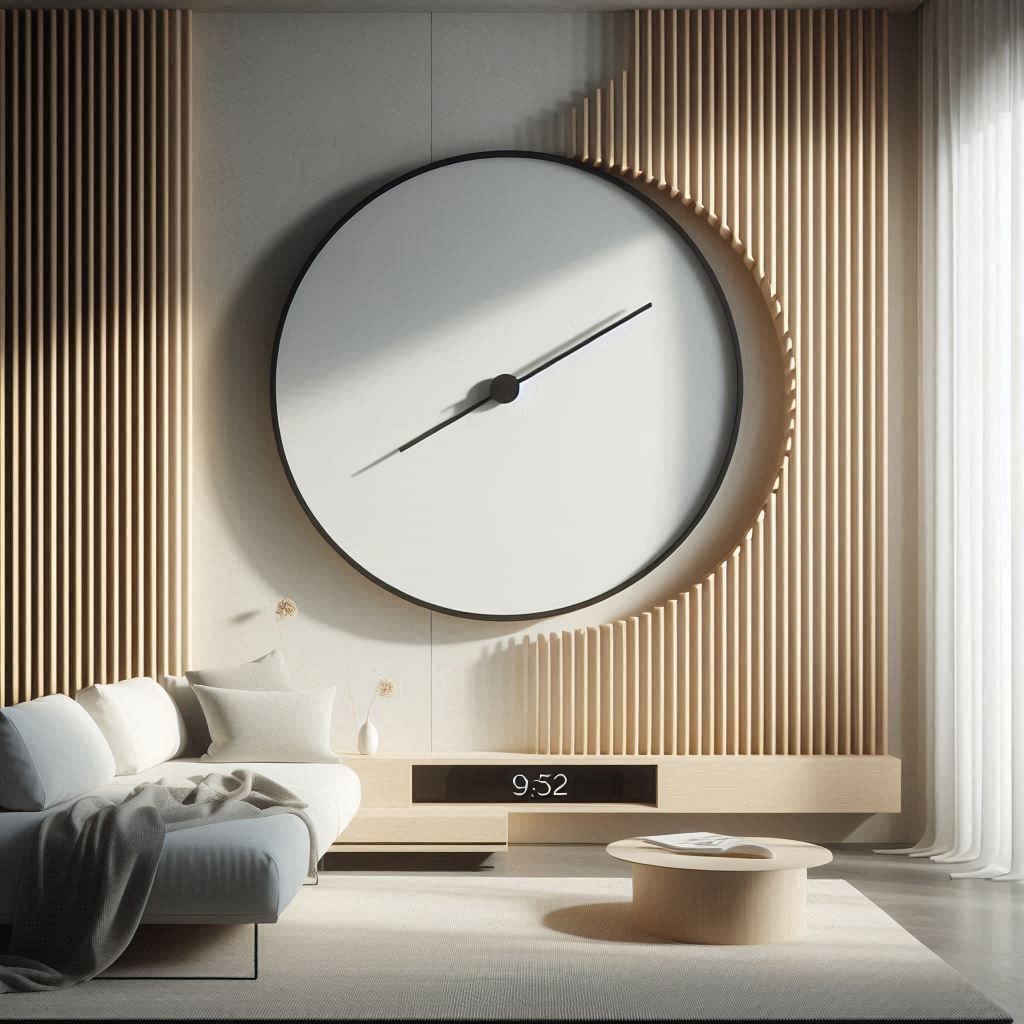
The world of clocks has undergone a dramatic transformation. No longer relegated to mere time-telling devices, they've become potent symbols of style, technological prowess, and even artistic expression. This article delves into the current trends and forward-thinking concepts that are redefining how we perceive and interact with time.
The Rise of Digital Minimalism:
In an age of information overload, minimalism reigns supreme. This design philosophy has profoundly influenced clock aesthetics, leading to the proliferation of sleek, uncluttered digital clocks. These timepieces often feature:
Clean Lines: Geometric shapes, stark angles, and an absence of ornamentation characterize these designs. The focus is on pure functionality and visual simplicity.
Monochromatic Displays: Black and white, or subtle variations of gray, are common color palettes. The goal is to minimize visual distraction and ensure readability.
Large, Legible Digits: Prioritizing clarity, these clocks boast large, easily readable numerals, often using sans-serif fonts. This is especially important for clocks intended to be viewed from a distance, such as those displayed on a TV clock.
The minimalist approach extends beyond standalone clocks. It's also evident in the design of digital clocks integrated into various devices, including smart home displays, and even screensavers on smart TVs.
The Allure of Retro-Futurism:
Contrasting with the minimalist trend, retro-futurism embraces a nostalgic vision of the future, often drawing inspiration from mid-20th-century science fiction and technological optimism. Key features include:
Nixie Tubes and Vacuum Fluorescent Displays (VFDs): These vintage technologies, with their warm, glowing characters, evoke a sense of nostalgia and scientific wonder. Although increasingly rare, their distinct aesthetic continues to inspire modern clock designs. DIY enthusiasts often build their own Nixie tube clocks, showcasing their unique charm.
Geometric Patterns and Bold Colors: Retro-futuristic clocks frequently incorporate geometric shapes, vibrant colors, and stylized typography reminiscent of the Space Age.
Mechanical and Electromechanical Elements: Displays that combine digital readouts with visible mechanical components, such as rotating discs or flip clocks, blend the old and the new in captivating ways.
Smart Clocks and the Internet of Things (IoT):
The integration of clocks with the Internet of Things has opened up a world of possibilities. Smart clocks are no longer limited to telling time; they now serve as hubs for information, communication, and automation. Features commonly found in smart clocks include:
Voice Control: Integration with voice assistants like Alexa or Google Assistant allows users to set alarms, check the weather, control smart home devices, and perform other tasks using voice commands.
Connectivity and Synchronization: Smart clocks automatically synchronize with online time servers, ensuring accurate timekeeping. They can also connect to other smart devices, such as smart TVs and smartphones, enabling seamless data sharing.
Customizable Displays: Many smart clocks offer customizable displays, allowing users to choose their preferred clock face, widgets, and information to be displayed. Some TV clock apps, like clock o clock (available on Samsung Tizen TV, LG WebOS TV, Android TV, and Amazon Fire TV), provide an extensive selection of clock faces to suit various tastes and needs.
Ambient Lighting and Soundscapes: Some smart clocks incorporate ambient lighting and soundscapes to create a relaxing and immersive atmosphere, promoting better sleep hygiene.
Beyond the Traditional Clock Face: Time Visualization:
Innovations in time visualization are pushing the boundaries of traditional clock design. Designers are exploring novel ways to represent time, moving beyond the familiar hands and digits:
Binary Clocks: These clocks display time using binary code, offering a unique and intellectually stimulating way to read the hour, minute, and second.
Word Clocks: Instead of numbers, word clocks spell out the time using an array of illuminated letters. For example, the clock might display "IT IS HALF PAST NINE."
Abstract Time Displays: These clocks use abstract shapes, colors, or patterns to represent the passage of time, encouraging a more intuitive and less literal understanding of the present moment.
Projection Clocks: These clocks project the time onto a wall or ceiling, creating a visually striking and space-saving display.
The Clock as Art:
The line between clock and art is increasingly blurred. Contemporary designers are creating clocks that are not only functional but also visually stunning works of art:
Kinetic Clocks: These clocks incorporate moving parts, such as gears, pendulums, or sculptural elements, creating a dynamic and captivating display. The movement itself becomes a form of artistic expression.
Sculptural Clocks: These clocks are designed as sculptures, often using unconventional materials and forms to create a unique and thought-provoking timepiece.
Interactive Clocks: These clocks respond to user interaction, such as touch or movement, creating a personalized and engaging experience.
The Future of Clock Design:
Looking ahead, several trends are poised to shape the future of clock design:
Sustainability: A growing emphasis on sustainability will lead to the use of eco-friendly materials and energy-efficient technologies in clock manufacturing.
Personalization: Advances in 3D printing and customization technologies will enable users to create bespoke clocks tailored to their individual preferences and needs.
Augmented Reality (AR): AR technology could overlay digital information onto physical clocks, enhancing their functionality and providing users with a more immersive and interactive experience.
Integration with Biometric Sensors: Clocks could incorporate biometric sensors to monitor sleep patterns, heart rate, and other physiological data, providing valuable insights into health and well-being. This data could then be used to personalize alarm settings and create a more optimal sleep environment.
Clocks on Your TV:
It's interesting that clocks have evolved to a form where they can be displayed on your TV. Apps like clock o clock are popular because they make it very easy to always have a nice looking clock on the screen. The ability to choose from a large set of clock faces makes it possible to make the TV clock look exactly how you want it to, also it is an excellent screensaver.
The evolution of clock design is a testament to human creativity and ingenuity. From simple time-telling devices to complex works of art, clocks continue to fascinate and inspire us. As technology advances and our understanding of time deepens, we can expect even more innovative and captivating clock designs to emerge in the years to come. Whether you prefer the minimalist aesthetic of a digital clock, the retro charm of a Nixie tube display, or the functionality of a smart clock, there is a timepiece to suit every taste and lifestyle. And with the advent of TV clock apps, like clock o clock, these designs can now be enjoyed on the biggest screen in your home. So, next time you glance at a clock, take a moment to appreciate the rich history and ongoing evolution of this essential and enduring object.